
Updating…
Your cart is empty
Free gifts start at $60.
Free delivery on orders over $150.00.
Get FREE Ground shipping when your order is over $150. Anywhere in Canada.
Thank you!
We will be posting information soon

Open it in two taps.
To open it, tell us what you’re shopping for:
Where do we send it?
Where should we send your gift?We seal it inside an email. Open it to see what you won.
By signing up you agree to receive marketing emails from King Crop. Unsubscribe any time. 19+ only.
It’s in your inbox.
Add my gift Open your inbox
Not there in a minute? Check Promotions. We’ll also remind you at checkout.
Still waiting for you.
Shatter vs Wax: What’s the Difference?
Contents
TL;DR
Shatter and wax are the same family of cannabis concentrate finished two ways: shatter sets into a glassy, brittle sheet; wax is whipped into a soft, opaque paste. Texture doesn’t decide strength — batch and starting material do. At KingCrop the concentrate shelf rotates, with live resin at $60 CAD per gram as of August 2026, and both textures dab from the same rig, 19+.
Type shatter vs wax into a search bar and you’ll mostly find copy that frames the two as rivals. They aren’t. They’re siblings — one extract, two finishes — and once you’ve handled both, telling them apart takes about two seconds. We’ve been packing both into delivery bags for years, so this is the practical version, not the lab-coat one.
If extracts in general are new territory, skim our guide to cannabis concentrates first — this piece assumes you know roughly what a concentrate is.
What Is Shatter?
Shatter is a cannabis extract that has set into a thin, translucent sheet — amber-toned, hard and brittle, like the shard stage of toffee-making. Tap it cold and it snaps cleanly; that snap is where the name comes from. Held to a window, a good piece reads almost clear.
Stability is its selling point. Shatter keeps its structure at room temperature longer than softer textures, and portioning is as simple as breaking off a corner. The trade-off is handling: cold shatter flies everywhere when it breaks, and warm shatter folds and sticks to whatever touched it last. Anyone who has chased a flake across a kitchen counter has met both moods.
What Is Wax?
Wax is the same extract agitated into a soft, opaque texture — closer to thick honey or cold butter than to glass. It scoops instead of snapping, which makes loading a dab tool nearly foolproof, and nothing pings off across the room when your hands are less than steady.
The cost of that convenience is surface area. All that whipped-in air exposes more of the material, so wax dries out and fades on the shelf sooner than shatter does. Buy it in amounts you’ll actually finish.
Shatter vs Wax at a Glance
Six differences cover almost everything customers ask us:
One Variable: Why the Textures Split
Both begin as the same extract. The fork is the finishing step: leave the fresh material flat and undisturbed while it purges and it sets like glass — that’s shatter. Whip it during that same window and it aerates into an opaque paste — that’s wax.
Same input, one variable.
And that variable doesn’t touch strength, which is the myth we spend the most time correcting. A glassy set doesn’t concentrate anything further; whipping doesn’t thin anything out. Potency is fixed upstream by the starting flower and the extraction run, so two jars from one run land in the same place whether they snap or scoop.
Shatter, Wax and Our Rotating Shelf
Honesty first: raw shatter and wax rotate through our lineup rather than living on it year-round. The day we wrote this, neither texture was sitting in stock — the concentrate shelf was anchored by live resin at $60 CAD per gram and a budget pressed hash, as of August 2026, with new drops replacing whatever sells through.
That churn is normal for extracts. They arrive in runs rather than steady production, so a texture appears under one strain name, sells out, and resurfaces weeks later under another. If it’s specifically the glassy stuff you’re after, the steadiest year-round route is the edible side of the menu — more on that below.
How You Dab Each One
Both textures want the same hardware: a rig, a banger and gentle heat. Shatter asks slightly more of your hands — snap a piece loose and drop it in before it warms — while wax loads straight off the tool. If your grip runs shaky or your apartment runs hot, wax is the friendlier pick.
Wax also suits portable gear better; our older explainer on how wax pens work gets into why the softer texture agrees with a coil. Whichever you run, residue builds fast with either one — a routine like the one in our dab rig cleaning guide keeps the flavour honest past the first week.
No Rig? Take the Shatter Bar Route
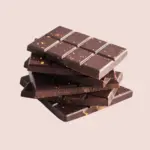
Plenty of people are curious about shatter without owning a single piece of glass, and we watch that curiosity show up in carts every week. It’s what the shatter-bar corner of our menu is for: chocolate made with the same class of extract, no torch required. Our primer on what shatter bars are covers the format; Euphoria’s flagship bar was in stock from $35 CAD when we checked, as of August 2026.
Who Should Skip Both
We’d rather talk you out of the wrong purchase than field the regret later. Skip shatter and wax if you smoke a few times a month — a gram of either will outlast your interest, and a quarter of flower you’ll actually finish is the smarter spend. Skip them if owning a torch feels like a project. And if you’re brand new to cannabis entirely, this is the wrong aisle to start in: extracts are dense, unforgiving of guesswork, and built for people who already know their comfort zone.
Flower first. Extracts later. The menu will wait.
What We See in Orders
Concentrates are our second-biggest category after flower, and what we see in those orders is a lot of familiar names — buyers who tend to know which texture they want before the cart opens. First-timers browse; extract regulars reorder.
The texture question gets physical in summer. One late-August handoff in King City stuck with us: ID checked at the door — 19+ on every order, driver’s licence or passport — and the buyer immediately flipping his package flat so the afternoon heat wouldn’t fold the shatter before he got inside. No wax buyer has ever done that dance. The whole comparison, in one gesture.
Frequently Asked Questions
Is shatter stronger than wax?
Shatter is not stronger than wax by default — texture is a finishing choice, not a potency dial. Two extracts from the same run land at the same strength whether they set glassy or get whipped soft. Judge a jar by its batch and starting strain, never by which of the two textures it holds.
Why did my shatter turn soft and cloudy?
Shatter that turns soft or cloudy has usually warmed up, taken on moisture, or begun to sugar — a slow change where the extract reorganizes into a grainier, wax-like texture. It still dabs fine. Keep it sealed, flat, cool and out of the light to slow the shift down.
Do shatter and wax need different tools?
Shatter and wax run on the same core setup: a rig, a banger and a dab tool. The difference is ergonomics — shatter snaps into portions while wax scoops, and wax loads more easily into portable pens. Nobody needs separate hardware for the two textures.
Does KingCrop have shatter and wax in stock right now?
Raw shatter and wax rotate through the KingCrop concentrate menu rather than sitting on it permanently. As of August 2026 the shelf was anchored by live resin and hash, with shatter available steadily in edible form through shatter bars. The concentrate category page always shows the current in-stock lineup.
How should I store shatter or wax at home?
Store shatter and wax the same way: sealed, cool, dark, and sitting on parchment or in a silicone container rather than bare in a jar it will weld itself to. Heat is the main threat to shatter’s structure; air is the main one to wax’s freshness. A cupboard away from the stove beats a windowsill.
Snap or Scoop, Your Call
KingCrop is a GTA cannabis delivery service carrying AAA and AAAA flower, 1 oz deals, edibles, vapes and concentrates — same-day delivery across the Greater Toronto Area and discreet Canada-wide mail order, 19+ only. Whichever texture wins you over, the current concentrate lineup shows what’s actually in stock today — it turns over often enough to be worth a look before you commit.